A Reading Site for People Studying Japanese

ごみの分別(ぶんべつ)

2020年の日本のごみの(りょう)(やく)4,200万トンだったそうです。一人あたり1日(やく)1kg(キログラム)です。みなさんの1日のごみの(りょう)はどうですか。これより多いでしょうか、少ないでしょうか。近年(きんねん)世界中(せかいじゅう)で、ごみは大きな問題になっています。地球(ちきゅう)環境(かんきょう)がどんどん悪くなっているからです。

In 2020, the amount of gomi (garbage) in Japan was about 42 million tons. This is about 1 kilogram per person per day. How much gomi do you throw away in one day? Is it more or less than that? Recently, gomi has become a big problem all over the world. This is because the Earth’s environment is getting worse and worse.

日本では、集められたごみは、ごみ処理場(しょりじょう)()やすことが多いです。ただ()やすのではありません。特別(とくべつ)技術(ぎじゅつ)が使われています。()やすときの温度(おんど)はとても高く、一酸化炭素(いっさんかたんそ)や悪いガスはほとんど()ません。この技術(ぎじゅつ)があるから、ごみを()やしても、空気が悪くなりません。

In Japan, collected gomi is often burned at a gomi shori jō (garbage treatment plant). However, it is not simply burned. Special technology is used. The temperature when burning is very high, so almost no carbon monoxide or harmful gases are produced. Because of this technology, burning gomi does not pollute the air very much.

しかし、()やしたらごみが()えてなくなるわけではありません。ごみが()えると、(はい)になります。この(はい)は、山や海にある最終処分場(さいしゅうしょぶんじょう)というところに(はこ)ばれて、埋立地(うめたてち)一部(いちぶ)になります。北海道(ほっかいどう)のモエレ沼公園(ぬまこうえん)は、ごみを()()てた(あと)に作られた公園(こうえん)です。東京湾(とうきょうわん)にもごみが()()てられてできた土地がいくつかありますし、大阪湾(おおさかわん)にも夢洲(ゆめしま)という埋立地(うめたてち)があります。夢洲(ゆめしま)一部(いちぶ)がごみの最終処分場(さいしゅうしょぶんじょう)になっています。海は広いですが、()()てられる場所(ばしょ)には(かぎ)りがあります。このまま、ごみをどんどん()(つづ)けると、いつか()()てる場所(ばしょ)がなくなってしまいます。

However, even if gomi is burned, it does not disappear. When gomi is burned, it becomes hai (ash). This ash is carried to places called saishū shobun-jō (final disposal sites) in the mountains or at the sea, and it is buried there. In Hokkaido, a park called Moere Numa Kōen was made on land where garbage was buried. In Tokyo Bay, there are pieces of land that were made by burying garbage. In Osaka Bay, there is a landfill called Yumeshima, and part of it is used as a final disposal site. The sea is wide, but there is a limit to the places where garbage can be buried. If we continue to produce gomi like this, someday there may be no more places to bury it.

北海道(ほっかいどう) モエレ(ぬま)公園(こうえん

大阪湾(おおさかわん) 夢洲(ゆめしま

では、私たち一人ひとりは何ができるでしょうか。たとえば、ごみを分別(ぶんべつ)することによって、リサイクル(recycle)やリユース(reuse)できるものがあります。分別(ぶんべつ)とは、ごみの種類(しゅるい)によって()けることです。ジュースの(かん)やペットボトルはリサイクルすることができます。コンビニのお弁当(べんとう)容器(ようき)やおかしの(ふくろ)などのプラスチックもリサイクルすることができます。そして、いらなくなった服はリユースできます。これらのものを分別(ぶんべつ)することによって、ごみが少し()りますね。

So, what can each of us do?
For example, by doing gomi no bunbetsu (separating garbage by type), some things can be recycled or reused.
Bunbetsu means dividing gomi according to its kind.
Juice cans and petto botoru (PET bottles) can be recycled.
Plastic containers from convenience stores and snack bags can also be recycled.
Clothes that you no longer need can be reused.
By separating these things, we can reduce the amount of gomi little by little.

分別(ぶんべつ)のルールは町によって(ちが)います。

The rules for gomi no bunbetsu are different depending on the city or town.

大阪市(おおさかし)のルール

東京都(とうきょうと)千代田区(ちよだく)のルール

大阪市(おおさかし)分別(ぶんべつ)ルールを見てみましょう。

大阪市(おおさかし)では、普通(ふつう)ごみ、容器包装(ようきほうそう)プラスチック、古紙(こし)衣類(いるい)資源(しげん)ごみの5つに分別(ぶんべつ)します。曜日によって、()すごみが()まっています。たとえば、月曜日と木曜日は普通(ふつう)ごみ、火曜日は容器包装(ようきほうそう)プラスチックと古紙(こし)衣類(いるい)、金曜日は資源(しげん)ごみというように、それぞれの地域(ちいき)のルールがあります。ルールを確認(かくにん)するための、「さんあ〜る」というスマホ用のアプリもありますよ。

Let’s look at the rules in Osaka-shi (Osaka City).

In Osaka-shi, gomi is divided into five types:
regular garbage, plastic containers and packaging, paper and clothes, and recyclable garbage.
The kind of gomi you throw away depends on the day of the week.
For example, regular garbage is thrown away on Monday and Thursday.
Plastic containers and paper are thrown away on Tuesday.
Recyclable garbage is thrown away on Friday.
The rules may be different in other areas.
There is also a smartphone app called “Sanāru” that helps you check the rules.

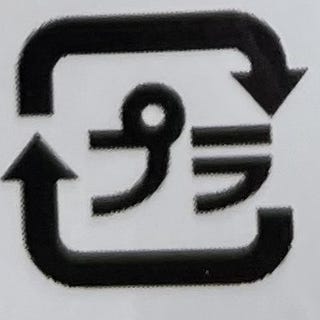
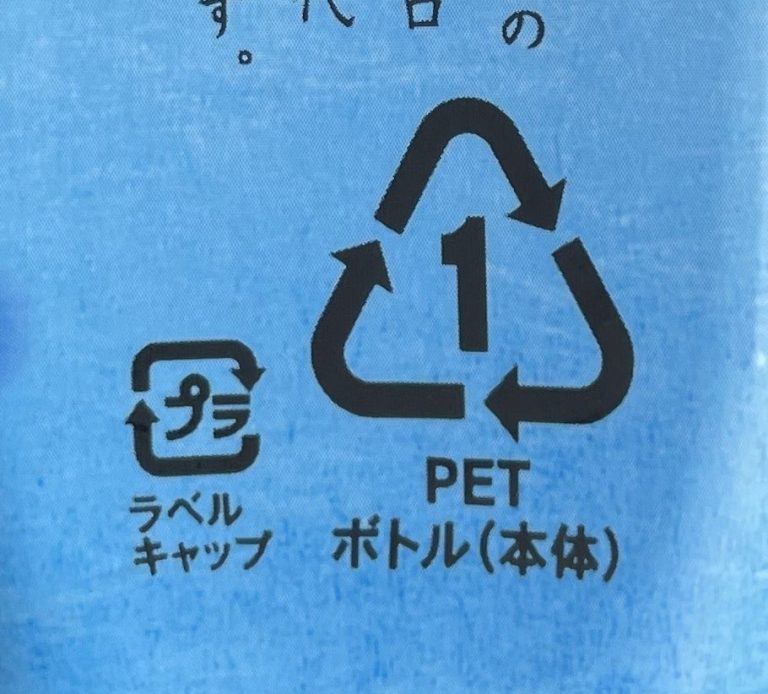
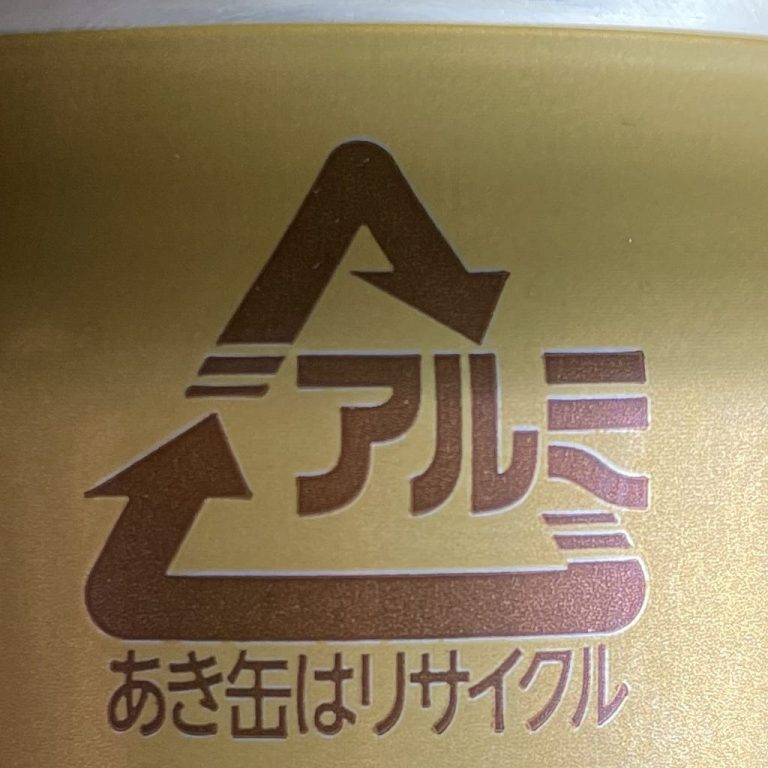
では、ごみを分別(ぶんべつ)するときに、ごみのどこを見たらいいでしょうか。日本では、下の写真のように、商品(しょうひん)のラベルには分別(ぶんべつ)のためのマークが()いています。「プラ」はプラスチックのことです。そして、「PET」はペットボトル、「アルミ」はアルミ(かん)のことです。このほかに紙のマークもあります。これを見たらすぐに、どのごみをどの曜日に()したらいいかがわかりますね。

When you separate gomi, what should you look at? In Japan, there are marks on products to show how to separate them. For example, “PLA” means plastic. “PET” means PET bottles. “ALU” means aluminum cans. There are also marks for paper. If you look at these marks, you can easily understand how to separate gomi.

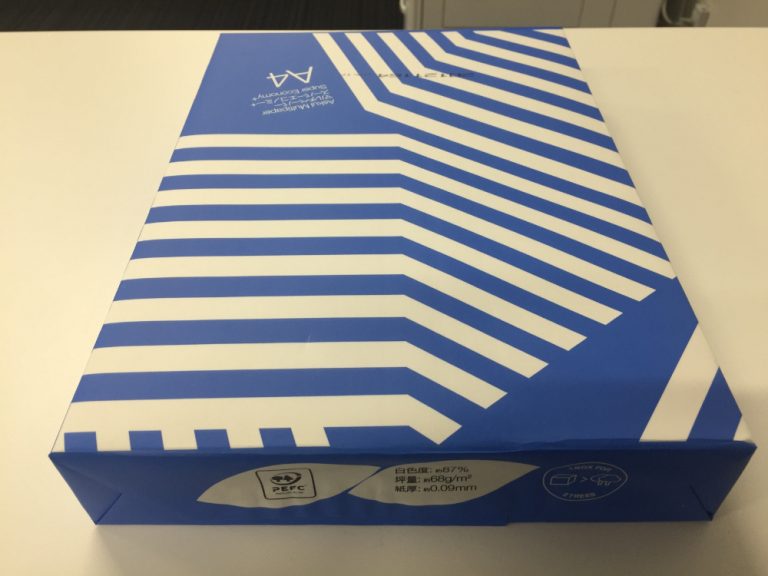
プラスチックごみはリサイクル工場(こうじょう)(はこ)ばれて、駐車場(ちゅうしゃじょう)車止(くるまど)めや、工場(こうじょう)燃料(ねんりょう)()まれ()わります。()(かん)や、ビンも(おな)じように、工場(こうじょう)建築(けんちく)材料(ざいりょう)(あたら)しいビンになります。古紙(こし)はトイレットペーパーやコピー用紙(ようし)になります。

Plastic gomi is taken to recycling factories and changed into things such as parking blocks or fuel for factories. Empty cans and bottles are changed into building materials or new bottles. Old paper is changed into toilet paper or copy paper.

トイレットペーパー

コピー 用紙 ( ようし

また、2020年から日本では、プラスチックの(ふくろ)有料(ゆうりょう)となりました。スーパーやコンビニで、(ふくろ)がどうしても必要(ひつよう)なときは、買わなければなりません。エコバッグを使い、プラスチックのごみを()らすための()()みです。

Since 2020 in Japan, plastic shopping bags are no longer free. At supermarkets and convenience stores, if you need a bag, you must buy one. This is one way to reduce plastic gomi by encouraging people to use eco baggu (eco bags).

ごみを分別(ぶんべつ)したり、エコバッグを使ったり、一人ひとりの小さな協力(きょうりょく)によって、未来(みらい)地球(ちきゅう)()わります。今からできることを、積極的(せっきょくてき)にやってみましょう。

By doing bunbetsu, using eco bags, and making small efforts, we can help protect the environment. Each person’s action is important.

文:新谷知佳

写真:新谷知佳/フォトAC

 (2021.4.2)

You cannot copy content of this page